跳到内容
跳到内容 







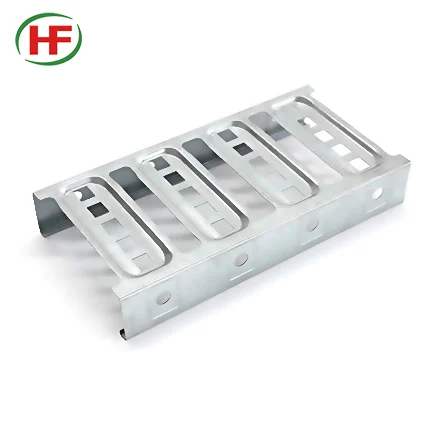
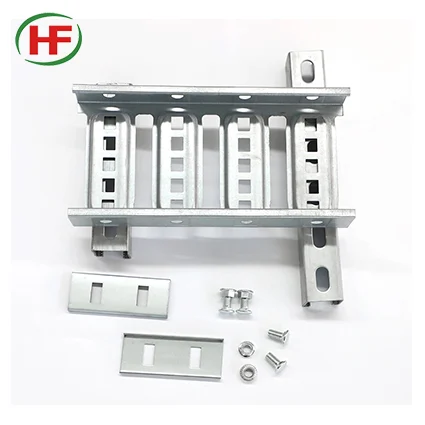
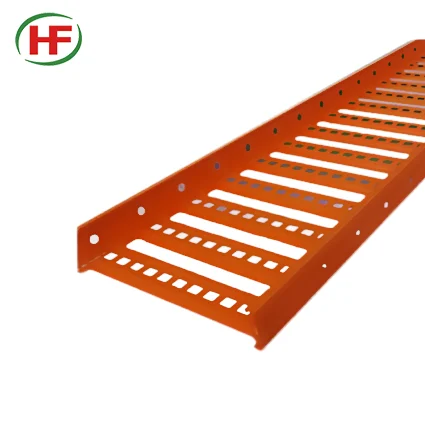
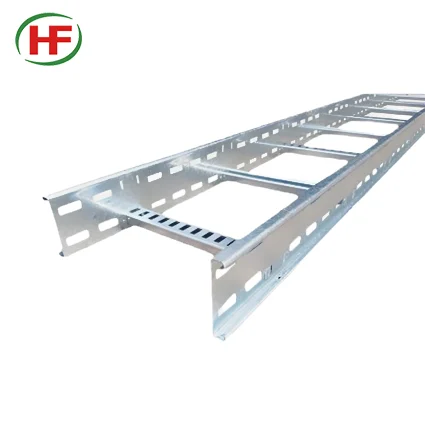
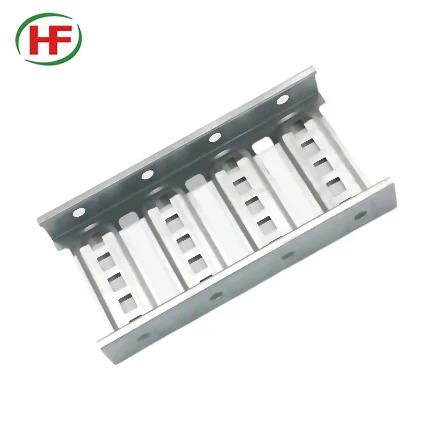
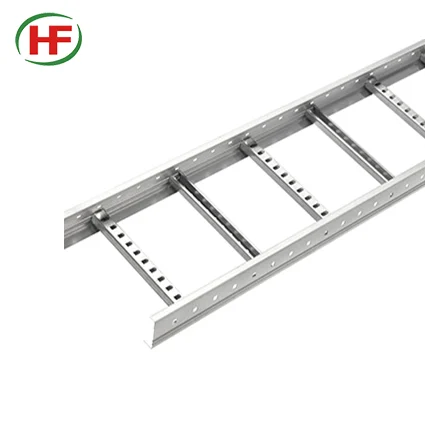
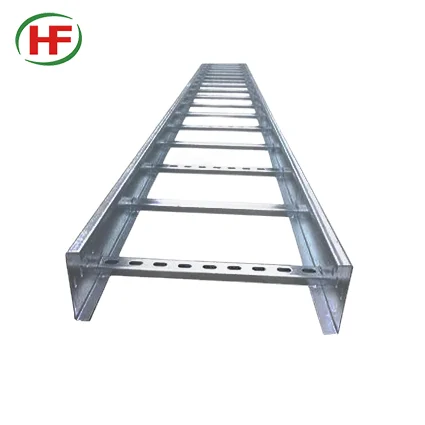
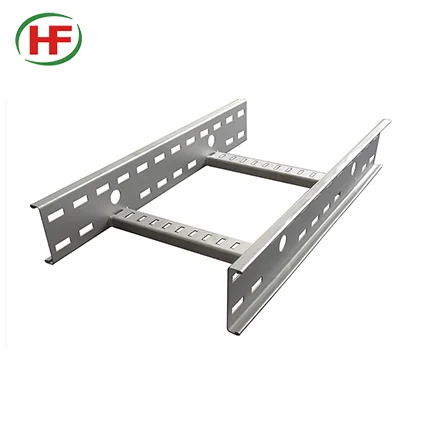
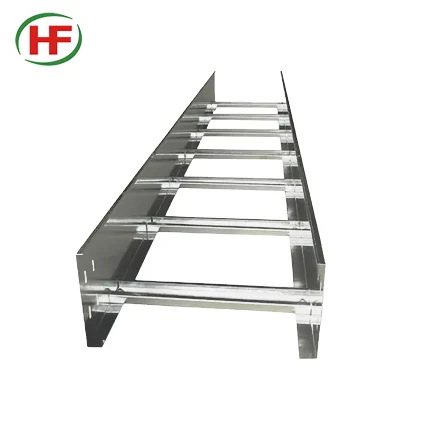


There are many classification methods for cable trays, which can be divided into various types according to different materials, processing technology, performance, shape, etc., so that buyers of cable Bridges can have a clear understanding when purchasing cable Bridges. Today, the classification of cable brackets of different materials and the main applicable environment are introduced.
According to the different materials of cable Bridges processed and produced, they can be mainly divided into four categories: steel cable Bridges (galvanized cable Bridges and hot-dip galvanized cable Bridges, spray plastic cable Bridges) stainless steel cable Bridges, aluminum alloy cable Bridges and glass fiber reinforced cable Bridges.Today, we will mainly introduce hot-dip galvanizing.
Hot dip galvanizing, also known as hot dip galvanizing, is a method of immersing steel components in molten zinc liquid with a temperature of up to 450-500 degrees to obtain a metal covering layer, the hot dip galvanizing layer is generally above 65μm (micron), and even up to 100μm (micron). The steel components of the hot-dip galvanized cable tray should be fully galvanized.
Hot-dip galvanized cable brackets are basically thick-walled steel parts. Hot-dip galvanized cable trays have been widely used in industry (such as chemical equipment, petroleum processing, ocean exploration, metal structure, power transmission, shipbuilding, etc.), agriculture (such as sprinkling irrigation, greenhouse), construction (such as water and gas transmission, wire bushings, scaffolding, houses, etc.), Bridges, transportation, etc., in recent years. Because hot-dip galvanized products have beautiful appearance, good corrosion resistance and other characteristics, its application is more and more extensive.