跳到内容
跳到内容 







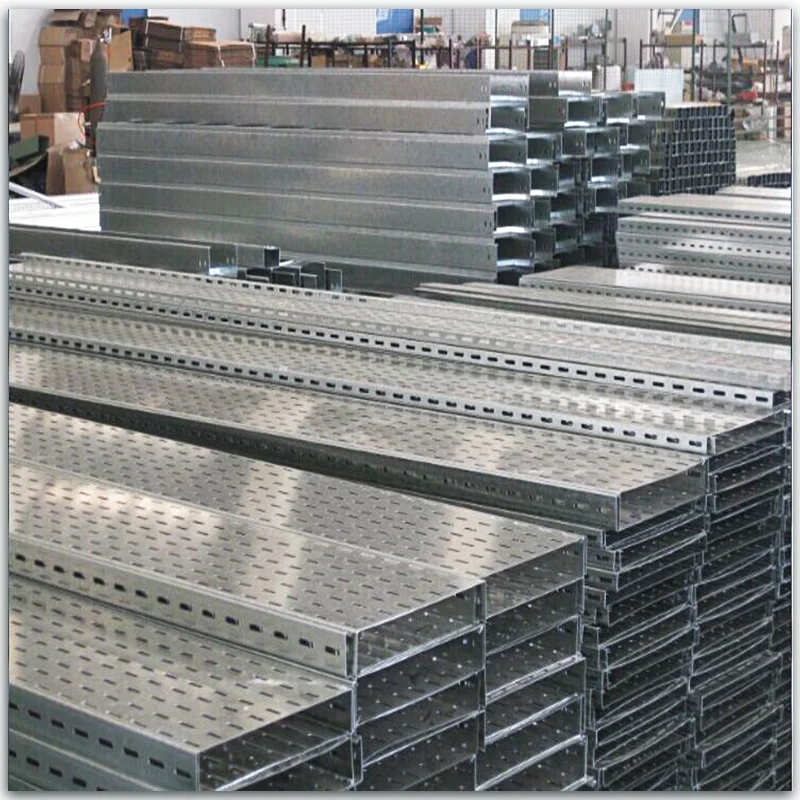
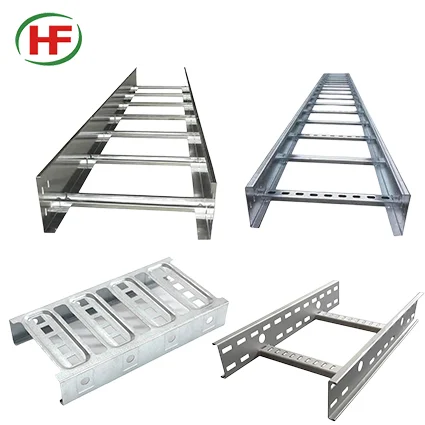
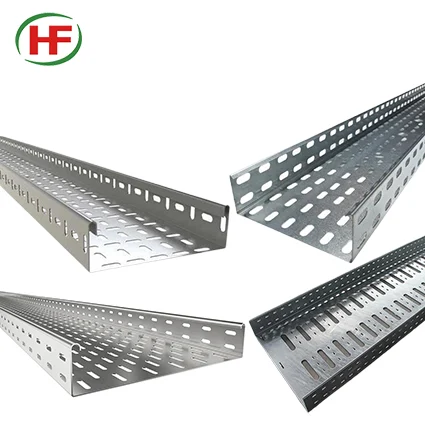
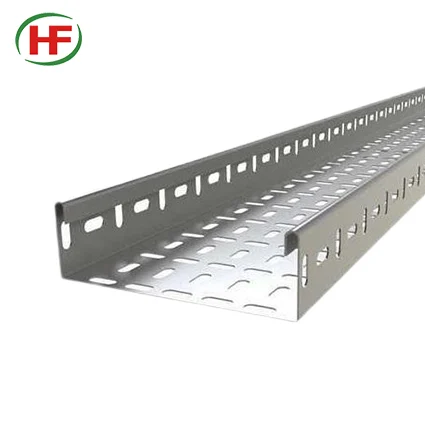
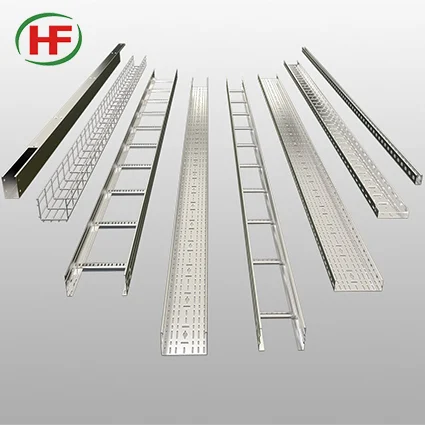
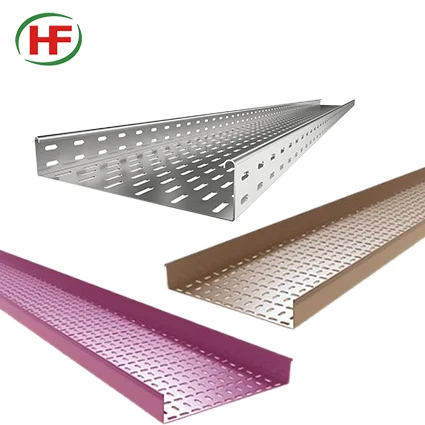
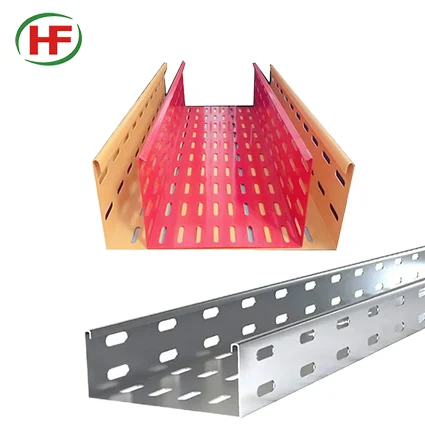
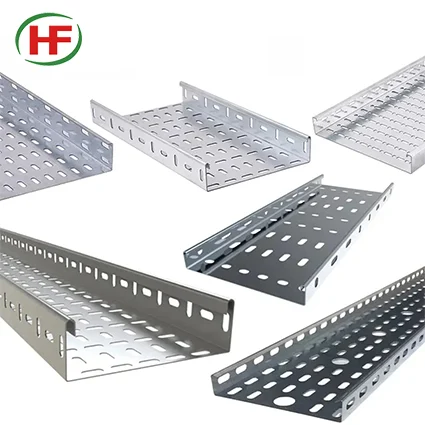
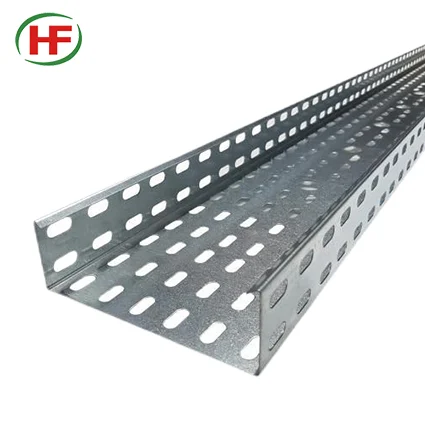
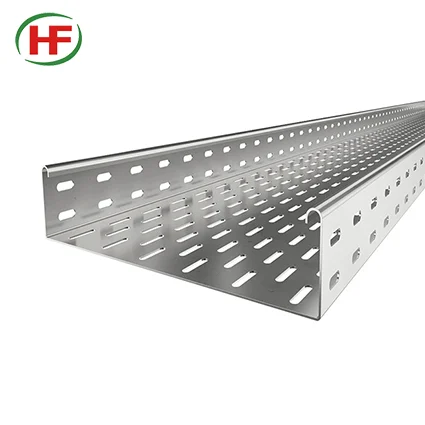
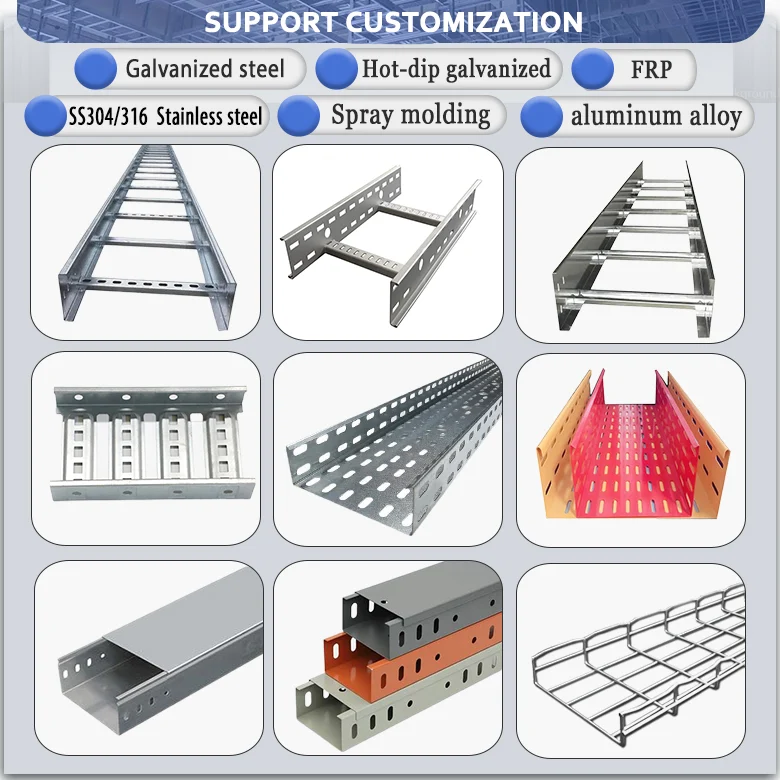
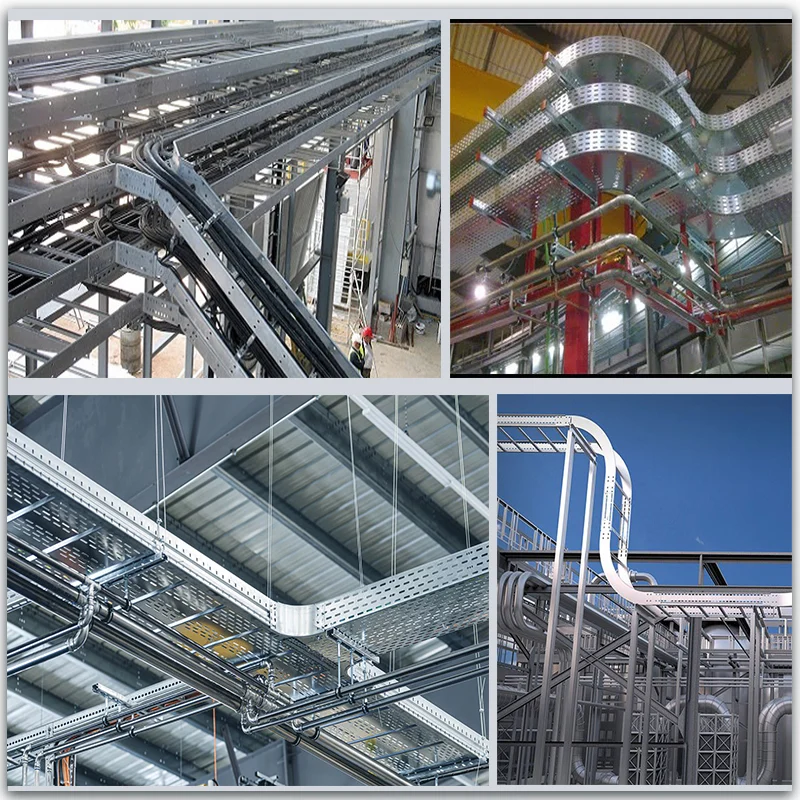


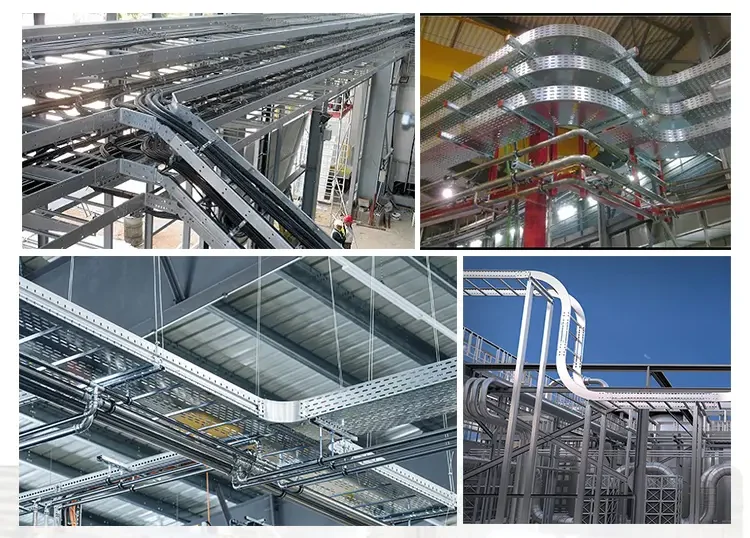
There are many classification methods for cable Bridges, which can be divided into various types according to different materials, processing technology, performance, shape, etc., so that buyers of cable trays can have a clear understanding when purchasing cable brackets. Today, the classification of cable Bridges of different materials and the main applicable environment are introduced.
According to the different materials of cable trays processed and produced, they can be mainly divided into four categories: steel (galvanized and hot-dip galvanized, spray plastic) stainless steel , aluminum alloy and glass fiber reinforced .Today, we will mainly introduce hot-dip galvanizing cable brackets.
Hot Dipped Galvanize After Fabrication (HDG)
galvanizing involves immersing fabricated steel components in molten zinc at approximately 450°C
(842°F), creating a metallurgically bonded zinc-iron alloy coating.
HDG cable bridge Process Flow:
1. Surface Preparation: Degreasing and pickling in hydrochloric acid
2. Flux Treatment: Application of zinc ammonium chloride flux
3. Hot-Dip Process: Immersion in molten zinc bath (98.5% pure zinc)
4. Cooling & Inspection: Air cooling and quality control assessment
5. Finishing: Optional chromate passivation treatment
HDG cable tray Advantages:
· Exceptional Durability: 50+ years protection in most environments
· Complete Coverage: Uniform coating including internal surfaces and recesses
· Cathodic Protection: Zinc sacrificially protects exposed steel edges
· Low Maintenance: Virtually maintenance-free for decades
· Abrasion Resistance: Tough, wear-resistant surface
· Cost-Effective: Lowest long-term cost per year of protection
HDG cable bracket Disadvantages:
· Higher Initial Cost: More expensive than other coating methods
· Aesthetic Limitations: Characteristic zinc appearance may not suit all applications
· Size Restrictions: Limited by galvanizing bath dimensions
· Weight Considerations: Adds approximately 600g/m² coating weight
HDG cable bridge Applications & Service Life:
· Outdoor installations and harsh environments: 25-50 years
· Marine and coastal applications: 20-40 years (depending on salt exposure)
· Long-term infrastructure projects: 40-75 years
· Industrial facilities: 25-45 years
· Highway and bridge infrastructure : 30-60 years
· Water treatment plants Electrogalvanized Zinc(EG): 25-40 years
· Applications requiring minimal maintenance: 30-50 years